
- home
- About Us
- Services
- Medical Abortion
- Hormonal Imbalance
- Normal Delivery
- Pre- marital counselling
- HPV Vaccination
- High-Risk Pregnancy
- Infertility evaluation and treatment
- Ante natal & Post natal care
- Contraception & Birth Control
- Preconceptional & Genetic Counseling
- Menopause counseling
- PCOS
- Adolescent Health Checkup
- Hysteroscopy & Laparoscopy
- Menstrual Disorders
- Vaginal hysterectomy
- Screening & Treatment of Uterine, Ovarian & Cervical Cancer
- vaginal Infections
- Pelvic inflammatory disease (PID)
- gallery
- Contact Us
What is Hormonal Imbalance?
Hormones play a vital role in regulating many of your body’s essential functions. They are chemical messengers produced by glands like the thyroid, adrenal glands, pancreas, and reproductive organs. Hormonal imbalance occurs when your body produces too much or too little of one or more hormones, leading to various physical and emotional health issues.
Both men and women can experience hormonal imbalances, and they may be influenced by lifestyle factors, medical conditions, or age-related changes. Addressing hormonal issues early is key to preventing long-term complications and improving overall well-being.
Common Symptoms of Hormonal Imbalance
Hormonal imbalances can affect every aspect of your body and life. Some of the most common symptoms include:
For Women:
- Irregular or heavy menstrual cycles
- Hot flashes and night sweats
- Mood swings, anxiety, or depression
- Low energy levels or fatigue
- Unexplained weight gain or weight loss
- Hair thinning or hair loss
- Acne and other skin issues
- Difficulty getting pregnant
For Men:
- Low testosterone leading to reduced libido
- Muscle weakness or reduced muscle mass
- Sleep disturbances or insomnia
- Loss of energy and motivation
- Mood changes such as irritability or depression
- Understanding your symptoms is the first crucial step toward identifying the root cause of your hormonal imbalance.
Causes of Hormonal Imbalance
The causes of hormonal imbalance vary from person to person. Some of the most common triggers and conditions include:
- Stress: Prolonged stress disrupts the production of cortisol, which in turn affects other hormone levels in the body.
- Diet and Lifestyle: Poor nutrition, lack of physical activity, and insufficient sleep can contribute to irregular hormone production.
- Medical Conditions:
- Polycystic Ovary Syndrome (PCOS)
- Thyroid disorders (hyperthyroidism, hypothyroidism)
- Diabetes
- Adrenal fatigue
- Natural Life Changes: Such as puberty, pregnancy, childbirth, perimenopause, menopause, or andropause (for men).
- Medications: Certain medications, like birth control pills or steroid treatments, can interfere with hormonal balance.
Environmental Factors: Exposure to endocrine disruptors in plastics, cleaning products, and pesticides may affect hormones.
How Hormonal Imbalance Affects Overall Health
Unchecked hormonal imbalances can have far-reaching effects on your health and quality of life. Some complications may include:
- Metabolic Changes: Hormonal issues can disrupt your metabolism, making it harder to control weight or manage energy levels.
- Bone Health: Low estrogen levels in women, particularly during menopause, can lead to weaker bones and increased risk of fractures.
- Emotional Well-Being: Hormones significantly impact brain chemistry; imbalances may lead to anxiety, depression, or memory problems.
- Reproductive Health: Hormonal imbalances may lead to infertility in both men and women, as well as complications in pregnancy.
- Chronic Diseases: Conditions like diabetes, heart disease, or certain cancers may be linked to prolonged hormonal disturbances.
How is Hormonal Imbalance Diagnosed?
The first step toward restoring balance is identifying the underlying cause. Diagnosis typically involves:
- Comprehensive Medical HistoryYour health history, symptoms, and lifestyle habits are assessed to pinpoint potential triggers.
- Blood TestsBloodwork measures hormone levels, such as estrogen, progesterone, testosterone, cortisol, and thyroid hormones.
- Additional Diagnostic ToolsIn some cases, advanced tests like imaging, saliva testing, or urine analysis may be used to understand hormone-related issues in more detail.
Treatment Options for Hormonal Imbalance
Effective treatment starts with a personalized approach. The exact plan depends on the hormones affected and the root cause, but general treatment options might include:
- Lifestyle Modifications:
- Healthy diet balanced with essential nutrients
- Regular exercise to promote circulation and reduce stress
- 7–9 hours of quality sleep per night
- Stress Management: Techniques like mindfulness, yoga, and meditation can help regulate cortisol production.
- Hormone Replacement Therapy (HRT):For conditions such as menopause, HRT may be recommended to restore vital hormone levels. Options include natural or synthetic therapies, delivered through pills, patches, creams, or injections.
- Medications:Prescribed medications tailored to address specific conditions like thyroid disorders, PCOS, or insulin resistance.
- Supplements:In some cases, supplements like vitamin D, magnesium, or adaptogens (herbs like ashwagandha) may be added to support hormonal function.
- Support and Monitoring: Regular follow-ups to track progress and adjust treatments as needed.
Preventing and Maintaining Hormonal Balance
Achieving balance is not just about treatment—prevention plays a huge role. Incorporating these habits into daily life can support long-term wellness:
- Nourish Your BodyEat whole, unprocessed foods rich in fiber, lean protein, healthy fats (like omega-3s), and antioxidants. Cut back on added sugars and refined carbs.
- Exercise RegularlyActivities such as strength training, cardio, and yoga can help regulate hormones and improve mental health.
- Manage Stress LevelsTake time for self-care and hobbies you enjoy. Small breaks in a busy day can go a long way.
- Sleep WellDevelop a consistent bedtime schedule and create a calming bedtime routine. Aim to unplug from screens at least 30 minutes before sleeping.
- Stay HydratedProper hydration is essential for numerous bodily functions, including hormone production.
- Avoid Endocrine DisruptorsReduce exposure to harmful chemicals in water, plastics, skincare products, and cleaning agents.
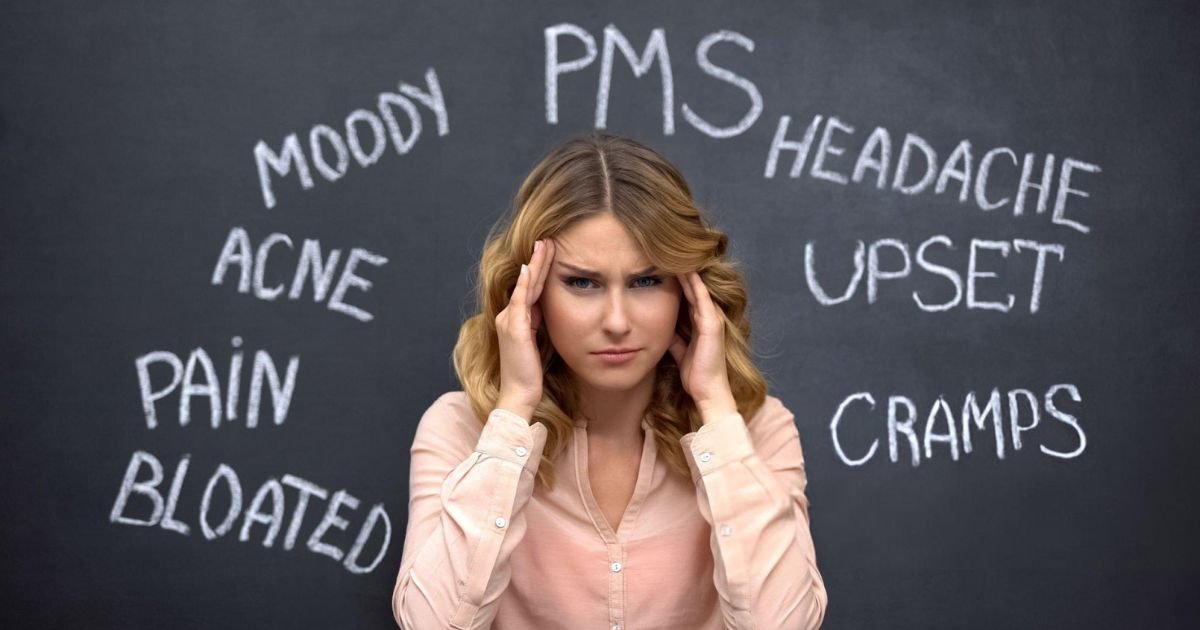
When to Reach Out for Help
Understanding your body and knowing when to seek help is crucial. If you’re experiencing persistent symptoms that disrupt your daily life, it’s important to consult a trusted healthcare professional for guidance. You deserve to feel your best, and with the right plan, restoring balance is entirely possible.
Take Control of Your Health
Your hormones have a significant impact on your overall well-being, and addressing imbalances isn’t just about feeling better today—it’s about preventing future health challenges. Taking small steps toward better habits and seeking effective treatments can empower you to regain control of your life.
You don’t have to navigate these challenges alone. With the right support and a personalized care plan, you can restore harmony in your body and feel truly balanced. Life is too precious to live it any other way!
Frequently Asked Questions About Hormonal Imbalance
1. What is hormonal imbalance?
Hormonal imbalance occurs when the levels of hormones in your body are too high or too low. Hormones like estrogen, progesterone, testosterone, cortisol, and thyroid hormones play a crucial role in regulating various bodily functions. When they are out of balance, it can lead to a wide range of physical, emotional, and mental health issues.
2. What are the common symptoms of hormonal imbalance?
Some common signs of hormonal imbalance include:
- Fatigue and low energy levels
- Weight changes (gain or loss) without clear reasons
- Irregular menstrual cycles or heavy periods
- Mood swings, anxiety, or depression
- Acne, thinning hair, or excessive hair growth
- Low libido or sexual dysfunction
- Sleep problems, such as insomnia or poor-quality sleep
3. What causes hormonal imbalance?
Several factors can lead to hormonal imbalance, such as:
- Chronic stress
- Poor diet or nutritional deficiencies
- Thyroid disorders (hypothyroidism or hyperthyroidism)
- PCOS (Polycystic Ovary Syndrome) in women
- Age-related changes like menopause or andropause
- Pregnancy and childbirth
- Environmental exposure to endocrine-disrupting chemicals
4. How is hormonal imbalance diagnosed?
Hormonal imbalance is typically diagnosed through a combination of:
- A detailed health history and symptom assessment
- Blood tests to evaluate levels of key hormones
- Advanced testing, including saliva or urine tests, in special cases Additional diagnostic tools like imaging studies may sometimes be required based on individual conditions.
5. Can hormonal imbalance affect my mental health?
Yes, hormonal imbalances can significantly impact mental health. For example:
- Low estrogen levels may lead to mood swings or depressive symptoms in women.
- High cortisol levels from chronic stress can contribute to anxiety or memory problems.
- Thyroid dysfunction can cause mental health symptoms such as mood instability, anxiety, or depression.