
Medical Abortion
What is Medical Abortion?
Medical abortion is a safe and effective method to terminate an early pregnancy using prescribed medication. It is a non-surgical procedure that allows individuals to manage their reproductive health privately and comfortably in a familiar environment. The process involves taking two medications—mifepristone and misoprostol—under medical guidance. This method is suitable for pregnancies within the first 10 weeks and is widely recognized for its safety and efficacy. It provides a less invasive alternative for women to make decisions about their body.
How Does Medical Abortion Work?
Medical abortion involves the use of two medications:
Mifepristone:
- This is the first medication administered during the process.
- It works by blocking the hormone progesterone, which is essential for maintaining pregnancy.
- Without progesterone, the lining of the uterus begins to break down.
Misoprostol:
- The second medication is taken 24-48 hours after mifepristone.
- Misoprostol causes the uterus to contract, allowing the pregnancy tissue to be expelled naturally from the body.
- This stage may cause cramping and bleeding, which is a normal part of the process.
Benefits of Medical Abortion
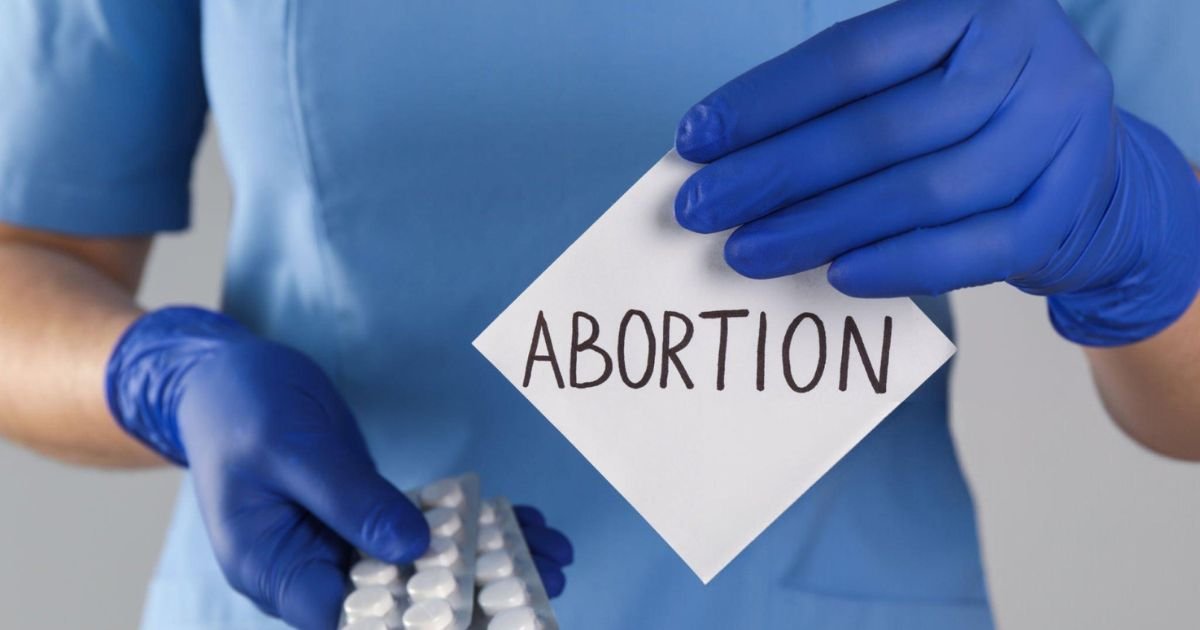
Medical abortion offers several advantages:
- Non-Surgical: It avoids the need for invasive surgical procedures.
- Privacy: The procedure can be completed in the comfort of your home.
- High Effectiveness: It is approximately 95-98% effective when used appropriately.
- Early Solution: Can be performed during the early stages of pregnancy (up to 10 weeks).
- Minimal Risk: Medical abortion has a very low risk of complications.
What to Expect During the Process
Initial Consultation:
- A healthcare provider will confirm the pregnancy and its duration through a physical exam or ultrasound.
- The provider will explain the procedure, potential side effects, and steps to
Taking the Medications:
- First, mifepristone is taken orally or as directed.
- After 24-48 hours, misoprostol is taken either orally or vaginally, depending on the provider’s instructions.
Reaction to the Medication:
- Cramping and bleeding will begin a few hours after taking misoprostol, similar to a heavy period with clots.
- Nausea, diarrhea, or mild fever may also occur temporarily.
Follow-Up Appointment:
- A follow-up visit is usually scheduled within 1-2 weeks to ensure the procedure was successful and to check for any complications.
Who is Eligible for Medical Abortion?
Medical abortion is suitable for individuals who are:
- In the early stages of pregnancy (up to 10 weeks from the first day of the last menstrual period).
- Physically healthy with no contraindicating medical conditions.
- Able to receive guidance and support during the process.
- Comfortable with the idea of managing the abortion at home.
It is important to note that medical abortion is not recommended for those with certain health issues, such as chronic adrenal failure, bleeding disorders, or an ectopic pregnancy. Always consult with a qualified healthcare provider to validate eligibility.
Possible Side Effects and Risks
While medical abortion is generally safe, it may involve some temporary side effects:
- Cramping and vaginal bleeding
- Nausea or vomiting
- Diarrhea
- Mild fever or chills
In rare cases, complications such as incomplete abortion, heavy bleeding, or infection may occur. If you experience severe symptoms like excessive bleeding, high fever, or intense pain, seek immediate medical attention.

Preparing for a Medical Abortion
To ensure a smoother experience, here are some tips to prepare:
- Gather Support: It is helpful to have a trusted friend or family member stay with you during the process.
- Comfortable Environment: Prepare a safe and private space where you can rest.
- Stock Up on Essentials: Have pain relief medications, sanitary pads, a heating pad, and snacks available.
- Plan for Rest: Schedule time off from work or other responsibilities to focus on recovery.
Recovery After a Medical Abortion
Most individuals recover quickly after the procedure. Key points to keep in mind:
- Bleeding: You may experience light bleeding or spotting for 1-2 weeks after the procedure. This is normal.
- Rest: Give yourself time to rest and recover for a day or two.
- Avoid Tampons: Use sanitary pads instead of tampons to reduce the risk of infection.
- Avoid Strenuous Activities: Refrain from heavy lifting or intense exercise for a few days.
- Follow-Up: Attend the scheduled follow-up appointment to confirm the abortion was successful.
Emotional Support During and After the Procedure
It is normal to experience a range of emotions before and after a medical abortion. Feelings of relief, sadness, or guilt are common. Consider reaching out to:
- A counselor or support group
- Trusted friends or family members
- Online or community resources offering support
Remember, everyone’s experience is personal and unique. Do not hesitate to seek help if needed.
Ensuring Privacy and Confidentiality
Medical abortion services prioritize your privacy and confidentiality. All consultations, procedures, and records are handled with the utmost discretion.
When to Seek Medical Attention
After a medical abortion, it is important to monitor your body and seek immediate medical care if you experience any of the following:
- Excessive bleeding (soaking more than two pads in an hour for several hours).
- Severe abdominal pain that does not ease with pain relief.
- High fever lasting more than 24 hours.
- Foul-smelling vaginal discharge.
Prompt action can help address any complications effectively.
Frequently Asked Questions (FAQs)
1. Is Medical Abortion Safe?
Yes, medical abortion is considered safe and highly effective when performed under medical guidance.
2. Will it Affect Future Pregnancies?
Medical abortion does not impact your ability to conceive or carry future pregnancies unless complications occur, which are rare.
3. Is the Procedure Painful?
Cramping and discomfort are common, but they can be managed with over-the-counter pain relievers and rest.
4. What Should I Do if the Abortion is Incomplete?
If the abortion is incomplete, a healthcare provider may recommend additional medication or a surgical procedure to complete it.